Understanding Russia: Perspectives on the War in Ukraine and the Mind of Vladimir Putin
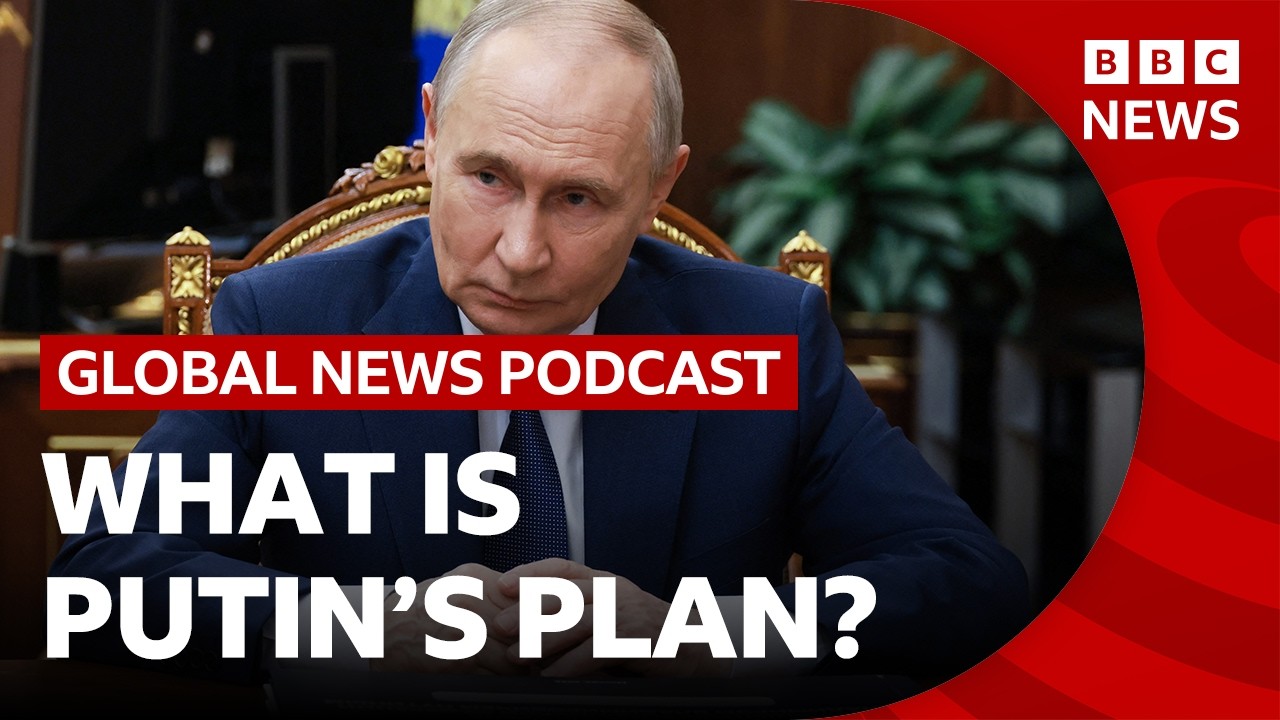
In a revealing exploration of the socio-political landscape of Russia, BBC’s Global News podcast hosted by Celia Hatton delves into the experiences of ordinary Russians and the psyche of their leader, Vladimir Putin, four years into the war with Ukraine. The insights from the BBC’s Russia editor, Steve Rosenberg, illuminate a complex and often contradictory reality faced by the Russian populace.
Rosenberg, one of the few Western journalists operating in Russia, recently traveled to Lipetsk, a region nestled between Moscow and the Ukrainian border. Engaging with locals, he discovered that economic concerns trumped discussions about the ongoing conflict. A significant portion of the population identified rising prices as the foremost worry in their lives, with many individuals, like a local ticket collector named Arena, grappling with the stark reality of their monthly earnings. Arena, earning approximately $250, reports that nearly half of her income disappears into utility bills, leaving little for basic necessities.
Even as many Russians exhibit a form of fatigue concerning the war, there exists a quiet resignation. Arena’s reflections are particularly striking; she compassionately sends aid packages to soldiers at the front but expresses bewilderment about the motivations behind the conflict. She contrasts her current uncertainty with the clear purpose that defined the Soviet Union’s fight against Nazi Germany, illustrating a broader sentiment of disillusionment. While she helps soldiers, her comments reveal that many Russians have yet to understand the rationale driving their government’s military ambitions.
A significant theme emerging from Rosenberg’s observations is the disconnect between economic reality and patriotic messaging disseminated by state media. Although Russia has faced intense international sanctions and escalating living costs due to the war, not everyone connects these hardships to the government’s decisions. Some, like a man named Ivan, express support for the "special military operation," even as they lament rising prices. This forum for selective perception is perhaps crafted by a state apparatus that aims to redirect blame away from the Kremlin and assign it instead to Western adversaries.
Turning the conversation to Vladimir Putin himself, Rosenberg presents a portrait of a leader who, despite the war’s deviations from initial expectations, maintains an air of confidence. Public appearances often showcase Putin in military attire, exuding an image of authority and control. His proclamations suggest he believes that Russia’s resources and resolve will eventually lead to victory, even if achieving this goal requires a war of attrition. Putin’s perception of international dynamics also plays a role in this confidence; he keenly observes divisions within Europe and maintains a complicated relationship with the United States.
Putin’s long-standing goal of reintegrating Ukraine into Russia’s sphere of influence persists despite the protracted nature of the conflict. While various potential peace deals remain speculative, it is clear that the Kremlin is strategically focused on revamping European security structures to its advantage.
However, questions linger about Russia’s resource allocations and economic viability for sustaining this war effort. Rosenberg notes that the Russian economy is entering turbulent times, as echoed even in state-controlled media. Indicators of economic stagnation amplify concerns regarding how long Russia can fund its military ambitions. Currently, the machinery of war continues to operate, but cracks are beginning to show, raising concerns that prolonged conflict could exacerbate existing strains on resources.
Rosenberg’s reflections also highlight the peculiar duality of experience faced by journalists operating in Russia. He describes a dissonance between the narratives portrayed in state media—emphasizing Russian victimhood and portraying the country as a liberator—and the global reality witnessed outside its borders. This conflicting information creates a bubble of perception that complicates the understanding of Russian society and politics.
As Russia navigates the precarious landscape of international conflict, the voices of its citizens and the inscrutable motivations of its leader offer critical insight into a nation grappling with complex identities, aspirations, and fears. The listeners of the BBC’s Global News podcast will undoubtedly have much to contemplate as these dynamics unfold, underscoring the importance of ongoing dialogue and understanding in a world marked by persistent turmoil.